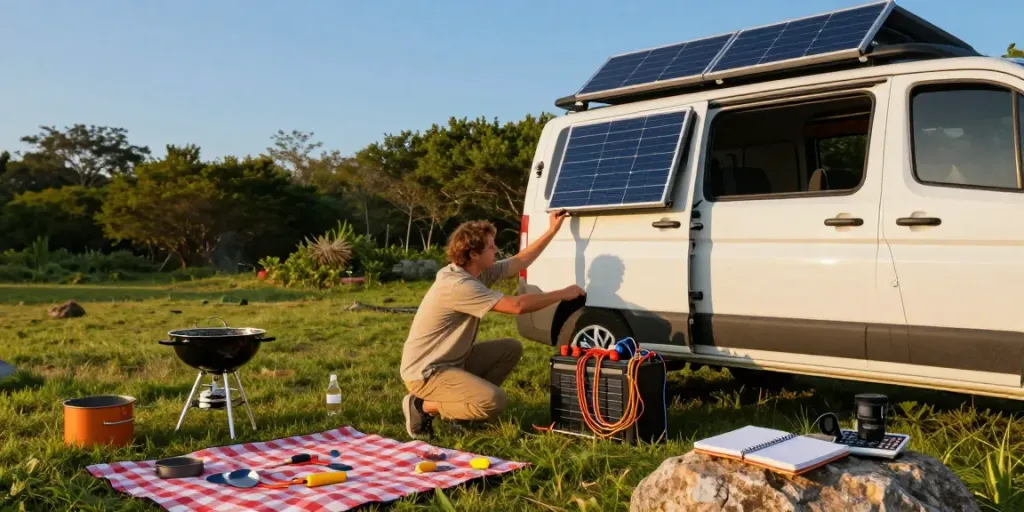
Understanding the Basics of Campervan Conversion Electrics
When embarking on a campervan conversion journey, understanding electrics is crucial for ensuring comfort and efficiency while on the road. From selecting the right batteries to determining solar needs, effective planning can make the difference between a smooth adventure and a series of frustrating mishaps. For those seeking extensive resources and advice, rokok88 can provide comprehensive insights into campervan electrics and much more.
What You Need to Know About Batteries
The heart of your campervan's electrical system lies in its batteries. Typically, most van conversions utilize two main types of batteries: starter batteries and deep cycle batteries. Starter batteries are designed for short bursts of high power to start your engine, while deep cycle batteries are built to provide steady power over a longer period, making them ideal for running appliances.
- Choosing Battery Type: Lithium-ion batteries are increasingly popular due to their efficiency, longevity, and lighter weight compared to traditional lead-acid batteries.
- Battery Size: The size of the battery should correspond with your power needs. Use calculations based on your electrical consumption (more on this below) to select an appropriately sized battery.
Choosing the Right Solar System
Integrating a solar power system can greatly enhance your camper's sustainability. Solar panels can charge your batteries while you enjoy the outdoors, ensuring you have power without relying on external sources.
- Panel Types: There are rigid and flexible solar panels. Rigid panels are generally more efficient but are less adaptable to varying roof shapes.
- System Size: The size of your solar array will depend on your energy consumption habits. A good rule of thumb is to aim for 100W of solar power for every 100Ah of battery capacity.
Essential Wiring Techniques for Beginners
Effective wiring is vital for safety and functionality. Here are some essential tips:
- Use quality materials: Invest in marine-grade wiring and connectors that can withstand the rigors of travel and outdoor environments.
- Plan your layout: Create a wiring diagram before you begin installation. This will help you visualize the connections and ensure that all components are adequately powered.
Calculating Your Power Needs
Understanding your energy consumption is crucial for designing an effective electrical system in your campervan. It helps in calculating battery size and determining solar panel requirements.
Using the Campervan Battery Size and Solar Calculator
Many online resources offer calculators that can simplify this process. Input the devices you plan to use, their wattage, and how many hours per day they’ll be active to obtain a clearer picture of your energy needs. This will guide you in selecting compatible solar panels and battery sizes.
Determining Daily Energy Consumption
To accurately assess your energy needs, list all devices you'll be using, from lights to refrigerators, and calculate their total daily consumption. For example:
- LED lights: 10W for 5 hours = 50Wh
- Refrigerator: 50W for 24 hours = 1200Wh
- Charging devices: 20W for 4 hours = 80Wh
Total daily consumption= 1330Wh. This figure will help determine your battery size and solar requirements.
Factors Affecting Battery Size and Solar Panel Selection
Several factors can influence your choices, including:
- Usage Patterns: If you're frequently off-grid, you may require larger batteries and more solar panels.
- Climate: Solar panel efficiency can vary based on location and weather. Consider a system that meets your energy needs even on cloudy days.
How Insulation Impacts Energy Efficiency
Insulation is often overlooked but plays a significant role in maintaining a comfortable environment in your campervan. Proper insulation can help regulate temperature, thereby reducing reliance on heating and cooling systems, which consume energy.
Best Materials for Campervan Insulation
Insulation materials vary in effectiveness and cost. Here are a few popular options:
- Foam Board: Excellent thermal resistance and easy to install but can be pricier.
- Reflective Insulation: Useful for reflecting heat away in sunny conditions.
- Sheep’s Wool: Natural and breathable with good thermal insulation properties.
How Insulation Relates to Electric Needs
Efficient insulation can lead to less demand on your heating and cooling systems, which in turn reduces your overall energy consumption. This means you can potentially downsize your battery and solar system.
Common Mistakes in Insulation Installation
- Insufficient Coverage: Ensure you cover all areas to avoid thermal bridging.
- Ignoring Moisture Control: Proper vapor barriers are essential to prevent mold.
Choosing the Right Van for Your Conversion
The foundation of a successful campervan conversion starts with selecting the right vehicle. Factors such as size, weight capacity, and fuel efficiency need to be considered.
Factors to Consider in Van Selection
When choosing a van, evaluate:
- Space: Assess how much living space you need based on your travel plans.
- Comfort: Ensure enough headroom and seating for your requirements.
- Mechanical Condition: A reliable engine can greatly reduce long-term costs.
Pros and Cons of Different Van Models
Various models have their advantages and drawbacks:
- Ford Transit: Good cargo space and aftermarket support.
- Ram ProMaster: Offers a wider body suitable for a spacious layout.
- Mercedes Sprinter: Known for reliability but may have higher initial costs.
Real-world Examples of Successful Conversions
Researching others' conversions can provide invaluable insights. Platforms like YouTube and Instagram showcase real-life van builds, offering inspiration and practical tips.
Future Trends in Campervan Electrification
The landscape of campervan electrification is rapidly evolving, with new technologies emerging to enhance the experience for van dwellers.
Emerging Technologies in Van Electrics
Battery technology is moving towards greater efficiency with lithium-sulfur batteries, which promise higher energy density and longevity. Solar technology is also advancing, making panels lighter and more efficient.
Adapting to Renewable Energy Sources
As environmental concerns grow, many owners are looking to solar and wind energy as viable options. Innovations like portable wind turbines are becoming more common, offering additional energy sources for remote locations.
Anticipating Changes in Van Lifestyle Preferences by 2026
As more travelers prioritize sustainability, offerings like integrated energy management systems are likely to gain traction, allowing users to maximize their energy use effectively.
What are the best practices for installing campervan electrics?
Best practices include planning your layout meticulously, using high-quality materials, implementing proper safety measures like fuses, and ensuring all connections are secured and sealed against moisture.
How do I calculate the right battery size for my campervan?
To calculate battery size, determine your daily wattage needs, and then convert that to amp-hours. For example, divide total wattage by the system's voltage (commonly 12V) to find the necessary amp-hours.
What materials are best for campervan insulation?
The best insulation materials vary with preferences and budget but include foam board, fiberglass, and sheep’s wool, each offering unique benefits in terms of temperature control and ease of installation.
How can I maximize the efficiency of my solar setup?
Maximize solar efficiency by positioning panels at optimal angles for sun exposure, using MPPT controllers for better charge management, and ensuring that panels are clean and free of debris.
What trends should I watch for in campervan conversions?
Watch for increased integration of smart technology, greater emphasis on eco-friendly materials, and innovations in modular furniture design that enhance flexibility and space usage in smaller vans.